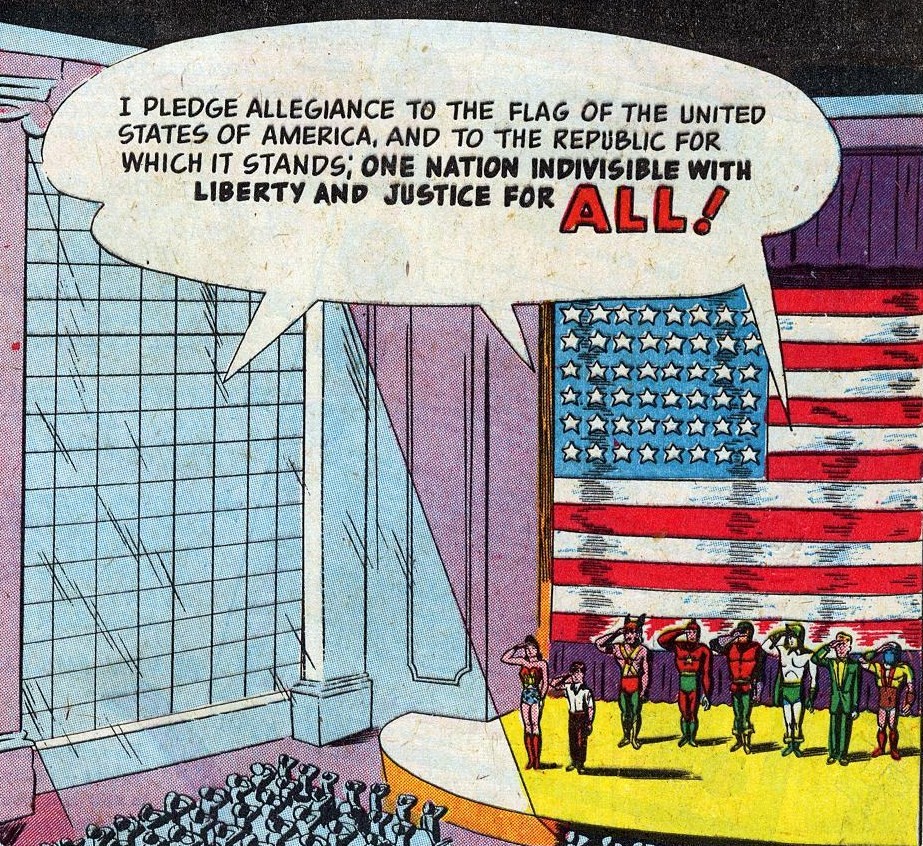
Mas…Wonder Woman, Batman, and Superman vs The Haters (toons)

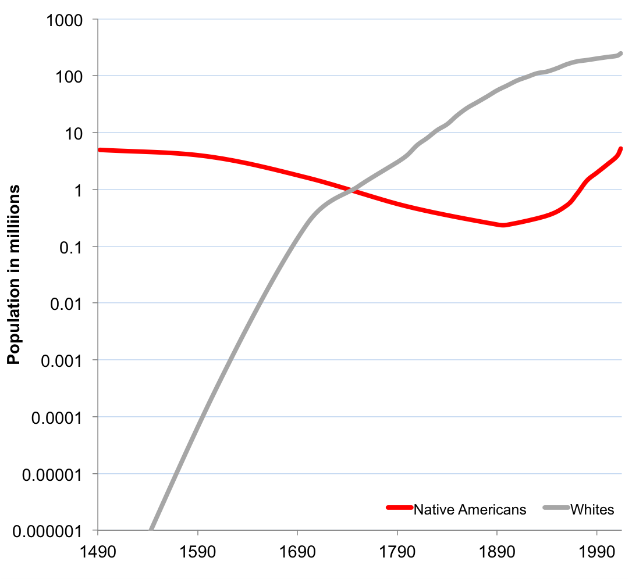 Samuel W. Bennett’s GET DATA website features charts/graphs and infographics about current events, sports, news, culture, and history. We thought this log-scale graph of the native (in red, of course) and white population in the U.S. was fascinating, sad, and maybe, just maybe, encouraging.
His description:
After disease and war decimated the Native American population from an estimated pre-Columbian 5 million to a low of a few hundred thousand in the late 1800s, the American Native American population has recently approached the pre-Columbian population. The…figure shows that the population of American Native Americans from 1492 to present.
His chart that ranks Tolerance, Racism and Xenophobia in the United States shows we’re lots more tolerant than some other countries, but still have big-ass problems with gays, immigrants and “foreign languages,” not that this is news to us.
Mas…Native American population almost back to pre-Columbian levels
Mexican, American or both? Residents of Elkhart County, Indiana, talk to The Elkhart Truth.
And this wonderful music video from Los Cenzontles expresses the same sentiments in song:
Mas…Regular gente plus Los Cenzontles: ‘I’m a Mexican-American’ (videos)
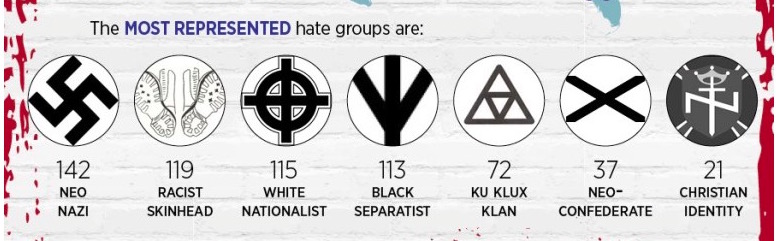 Who are the top haters? Where do they hate? What do they do?
A huge infographic at Criminal Degree Hub, a website for students in Criminal Justice, breaks it down, with references and everything. Here’s the complete chart — click to enlarge:
 Where are you from?
That is a simple question, isn’t? Well, for some of us, the answer is not so straight forward.
My experience in London in the past four months has included fascinating dialogue with people I have come across. It is one thing I have come to expect from such a global city where you are bound to meet people from so many places around the world.
Such interactions have sparked in me the need to explore my conception of identity as part of my own self-discovery process. Primarily because most of us conflate place of origin and ethnicity with identity.
If I claim to be from a certain part of the world, what does that mean about the way others expect me to look, speak, act and be? In engaging in this inquiry, the first realization I have made is that the answer to the question of “Where are you from?” is very telling not only about one’s own perception of identity but also of the one imposed by others.
 |
 |
I consider myself Latina, close to my family’s Mexican culture; I’m bilingual and I’m happy with that identity. But, more often than not, it seems like everyone else is trying to corral me into some other identity, telling me that mine is not sufficient.
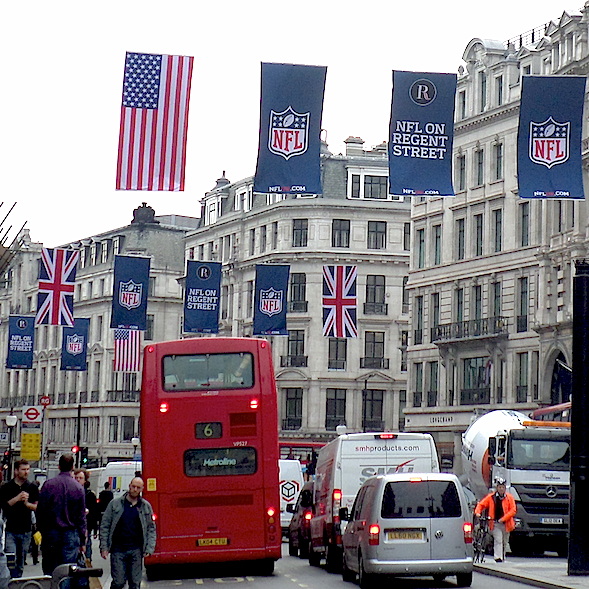
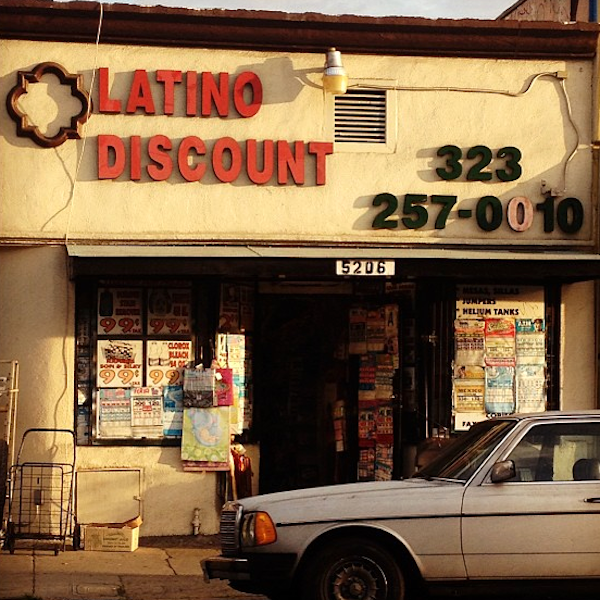
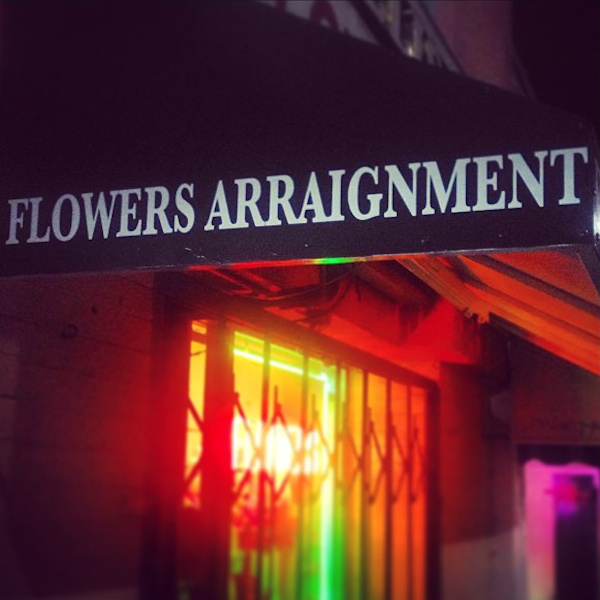
The neighborhood where I live (photos, above) is a perfect example.
It’s split in two: one part of it is gentrifying rapidly, and the other is filled with Mexican and many immigrant families. I where it’s more Mexican, which makes me — in all my professional hipster-ness — stand out sometimes, but people still speak to me in Spanish and often I just become part of the scenery. But then there are other times.